
Balance and mobility confidence often become increasingly important with age. Many people gradually notice changes in stability, coordination, foot sensitivity, or confidence while walking, especially during everyday activities like climbing stairs or moving across uneven surfaces.
Because these changes usually develop slowly, individuals often begin searching for supportive movement programs and balance exercises that can be practiced consistently at home.
This growing interest in fall prevention and mobility support is one reason programs like Neuro Balance Therapy have attracted attention among adults looking to improve stability and confidence naturally.
See full details on the official page
What Is Neuro Balance Therapy?
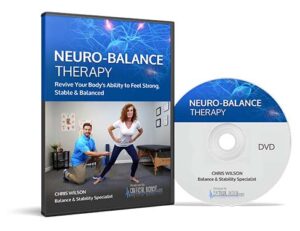
Neuro Balance Therapy is marketed as a home-based balance training program created by Chris Wilson, a certified personal trainer specializing in stability and movement exercises. The program is designed to support coordination, balance, lower-body strength, and mobility confidence through simple daily routines.
According to promotional materials, the system includes guided exercise videos, a therapy spike ball, and educational resources intended to help stimulate the peroneal nerve associated with balance and lower-body coordination.
The exercises are generally positioned as gentle and accessible for older adults or individuals looking for low-impact balance support at home.
How Does Neuro Balance Therapy Work?
According to the official program description, Neuro Balance Therapy focuses on stimulating the deep peroneal nerve in the foot while supporting coordination and movement awareness through guided routines.
Some exercises included in the program are designed around:
– lower-body stability
– foot sensitivity awareness
– coordination support
– posture improvement
– mobility confidence
The program also emphasizes daily repetition and consistency rather than intense workouts or complicated gym routines.
Why Balance Often Changes Gradually With Age
Balance and coordination are influenced by several long-term physical and neurological factors.
– reduced physical activity
– muscle weakening
– aging-related nerve changes
– poor posture habits
– reduced foot sensitivity
Over time, these repeated patterns may influence walking confidence, posture stability, and fall risk.
Many individuals first notice these changes through hesitation while walking, fear of falling, reduced confidence on stairs, or difficulty recovering balance after sudden movement.
To better understand how repeated movement and recovery habits influence long-term physical wellness, you can read: how sustainable movement and mobility routines support long term physical balance
This broader perspective helps explain why stability-focused wellness programs continue gaining popularity among older adults.
What Benefits Are Commonly Associated With Neuro Balance Therapy?
People exploring balance support programs often look for:
– improved stability support
– mobility confidence
– support for lower-body coordination
– fall prevention routines
– home-based exercise convenience
Some promotional materials also discuss support for posture, walking confidence, lower-body responsiveness, and nerve activation balance.
One reason programs like Neuro Balance Therapy attract attention is their focus on manageable daily routines instead of aggressive high-impact exercise methods.
Check current details and availability here
Important Things Worth Considering
People expecting instant overnight improvement may misunderstand how movement-based balance programs are generally intended to work.
Balance training usually requires gradual adaptation, consistent practice, and realistic expectations over time.
It is also important to remember that persistent dizziness, severe mobility problems, or neurological conditions may require professional medical evaluation and individualized therapy support.
Why Consistency Usually Matters More Than Intensity
The nervous system and muscular system generally respond more effectively to repeated healthy movement routines over time than isolated short-term effort.
Movement consistency, hydration, sleep quality, coordination exercises, and recovery habits may all influence long-term mobility wellness.
If you want to explore how sustainable recovery habits support physical stability, you can read: how repeated healthy routines support long term movement confidence and recovery balance
This broader connection highlights why gradual consistency is commonly emphasized over aggressive short-term approaches.
Questions People Often Ask
Who created Neuro Balance Therapy?
The program is marketed as being created by Chris Wilson, a certified personal trainer with experience in balance and stability instruction.
How long do the exercises take?
Promotional materials suggest the routines are designed to take approximately 10 minutes daily.
Does Neuro Balance Therapy replace medical treatment?
No, programs in this category are generally positioned as supportive wellness routines rather than replacements for professional medical care.
See the official page for updated details and access options
Affiliate Disclosure
This article may contain affiliate links.
Medical Disclaimer
This content is for informational purposes only and is not medical advice.