
Why Quitting Smoking Is Often More Difficult Than People Expect
Millions of people around the world have attempted to quit smoking. While many understand the health benefits of becoming smoke free, the process itself can be challenging because smoking often involves more than nicotine alone.
For many individuals, smoking becomes connected to routines, emotions, environments, and daily rituals. Morning coffee, work breaks, driving, social situations, and stress management can all become associated with smoking behaviors.
This is why many smoking cessation approaches focus not only on nicotine dependence but also on habit patterns and behavioral triggers.
Ending Smoking Ritual Quick Overview
- Product Name: Ending Smoking Ritual
- Category: Smoking Cessation Program
- Primary Focus: Habit Change and Smoke-Free Living
- Format: Information-Based Program
- Best For: Adults Seeking Help Breaking Smoking Habits
- Official Website: endingsmokingritual.com
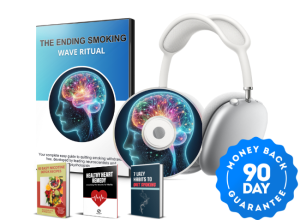
Check current access options and program details here
What Is Ending Smoking Ritual?
Ending Smoking Ritual is positioned as a smoking cessation program designed to help individuals address the behavioral side of smoking habits.
Unlike approaches that focus exclusively on nicotine replacement products, habit-focused programs generally aim to help users identify triggers, develop healthier routines, and build sustainable lifestyle changes.
The underlying idea is that long-term success often depends on changing daily patterns rather than relying on motivation alone.
How Does Ending Smoking Ritual Work?
Although specific program details may vary, smoking cessation programs typically focus on several key areas:
- identifying smoking triggers
- building awareness of habitual behaviors
- creating replacement routines
- supporting long-term consistency
- developing healthier coping mechanisms
The goal is often to reduce dependence on automatic smoking behaviors and encourage more intentional decision-making.
Why Habits Play Such a Powerful Role in Smoking
One reason smoking can be difficult to stop is that it often becomes deeply integrated into daily life.
Over time, certain situations may automatically trigger the desire to smoke.
Examples include:
- drinking coffee
- work breaks
- driving
- social gatherings
- stressful situations
- specific times of day
These patterns can persist even when someone is highly motivated to quit.
Why Many Quit Attempts Fail
Many people approach smoking cessation with strong motivation but limited planning.
Common challenges include:
- unidentified triggers
- lack of replacement habits
- environmental temptations
- stress management difficulties
- unrealistic expectations
Understanding these obstacles may help individuals develop a more sustainable approach to becoming smoke free.
Learn more about the program and current availability here
Pros and Cons
Pros
- Focuses on behavioral change rather than relying solely on willpower
- May help users identify smoking triggers
- Encourages long-term habit development
- Supports a structured approach to quitting
- Can complement broader lifestyle improvements
Cons
- Requires personal commitment
- Results may vary between individuals
- Behavior change typically takes time
- Not an instant solution
- Does not replace professional medical guidance when needed
Who Is It Best For?
- Adults who want to quit smoking
- Individuals frustrated by repeated quit attempts
- People interested in behavioral change approaches
- Those seeking greater awareness of smoking triggers
- Individuals looking for structured habit-building strategies
Who May Want Other Options?
- People seeking immediate medical treatment
- Individuals requiring specialized addiction care
- Users expecting overnight results
- Those unwilling to change daily routines
Common Mistakes People Make When Trying to Quit Smoking
- relying solely on motivation
- ignoring environmental triggers
- keeping smoking-related routines unchanged
- expecting immediate success
- not preparing for difficult situations
Many successful quitters report that preparation and consistency are just as important as motivation.
What Many People Overlook About Becoming Smoke Free
Many discussions focus entirely on nicotine while overlooking other important factors.
Examples include:
- habit loops
- emotional triggers
- social influences
- daily routines
- stress management
- environmental cues
Addressing these factors may help support a more comprehensive smoking cessation strategy.
Related Resources
Readers interested in understanding the psychology behind smoking habits may also find this guide useful:
Why Smoking Becomes a Habit and Why Willpower Alone Often Fails.
For practical strategies that may support long-term success, this article explores simple techniques for maintaining smoke-free habits:
7 Practical Strategies That May Help You Stay Smoke Free Longer.
Successful smoking cessation often involves a combination of awareness, preparation, consistency, and healthier replacement behaviors.
Final Verdict
Ending Smoking Ritual appears to focus on one of the most overlooked aspects of smoking cessation: habit change. While many people concentrate solely on nicotine, long-term success often depends on addressing routines, triggers, and behavioral patterns that reinforce smoking behavior.
No program can guarantee results, and individual experiences will vary. However, individuals interested in understanding their smoking habits and developing healthier routines may find value in a structured behavioral approach.
Long-term success is often built through consistency, realistic expectations, and a willingness to develop new habits over time.
Visit the official website for the latest program details and access options
Frequently Asked Questions
What is Ending Smoking Ritual?
Ending Smoking Ritual is a smoking cessation program focused on helping users address smoking-related habits and behavioral triggers.
Is Ending Smoking Ritual a medication?
Based on available information, it appears to be an educational program rather than a medication.
Can it replace medical advice?
No. Individuals with medical concerns should consult qualified healthcare professionals.
Who may benefit from this program?
Adults interested in changing smoking habits and developing smoke-free routines may find it useful.
How long does habit change typically take?
Behavior change varies between individuals and often requires ongoing consistency.
Does quitting smoking involve more than nicotine?
For many people, smoking also involves routines, emotional triggers, and environmental cues.
Can lifestyle changes support smoking cessation?
Many individuals find that healthier routines and replacement behaviors can support long-term success.
What should I expect from a smoking cessation program?
Most programs focus on education, awareness, planning, and behavioral change rather than instant results.
Affiliate Disclosure: This article may contain affiliate links.
Disclaimer: This content is for informational and educational purposes only and should not be considered medical advice, diagnosis, treatment, or smoking cessation counseling.