
Understanding Bow Legs and Knock Knees
Many people spend years feeling self-conscious about the appearance of their legs. Conditions commonly referred to as bow legs (genu varum) and knock knees (genu valgum) can affect posture, movement patterns, confidence, and even clothing choices.
For some individuals, these conditions are mild and largely cosmetic. For others, they may contribute to discomfort, altered walking mechanics, or concerns about long-term joint health.
As awareness of non-surgical solutions has increased, many people have started exploring exercise-based programs designed to improve posture, muscle balance, and lower-body alignment.
One program that has gained attention in this category is Bow Legs No More, a digital guide created around corrective exercises and movement strategies intended for individuals concerned about bow legs or knock knees.
What Is Bow Legs No More?
Bow Legs No More is a digital exercise program marketed toward individuals who want to improve the appearance of bow legs or knock knees without pursuing surgical intervention.
According to the program’s creator, the system consists of stretching routines, strengthening exercises, posture-focused techniques, and progress-tracking methods that can be performed at home. The program is presented as a step-by-step guide designed for adults of various fitness levels.
The program is delivered digitally, allowing users immediate access after purchase.
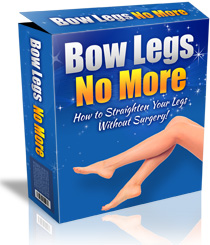
Check current program access and package details here
Why Leg Alignment Concerns Are More Common Than Many People Realize
Leg alignment variations are relatively common.
Individuals may experience:
- bow-legged appearance
- knock-kneed appearance
- hip instability
- postural imbalances
- muscle compensation patterns
While structural bone alignment cannot always be altered through exercise alone, muscular balance, movement quality, flexibility, and posture may often be improved through appropriate physical conditioning. Physical therapists frequently emphasize strengthening and mobility work to improve function and support joint health.
How the Program Is Structured
Based on publicly available descriptions, Bow Legs No More focuses on multiple areas simultaneously.
- stretching routines
- muscle activation exercises
- lower body strengthening
- posture improvement
- movement correction
- progress monitoring
The philosophy behind the program is that muscular imbalances and poor movement patterns may contribute to the visual appearance of leg curvature in some individuals. By addressing these factors, users may potentially improve overall lower-body mechanics and posture.
The Difference Between Structural and Functional Issues
One of the most important concepts to understand is the distinction between structural and functional concerns.
Structural alignment refers to the shape and positioning of bones. Functional alignment involves muscles, flexibility, posture, movement patterns, and joint mechanics.
Exercise programs are generally more capable of influencing functional factors than changing bone structure itself.
This distinction is important because expectations should remain realistic when evaluating any corrective exercise system. Physical therapy professionals often note that exercises may strengthen supporting tissues and improve movement quality, but they do not fundamentally reshape adult bones.
Why Posture Matters
Posture affects how forces move through the body during standing, walking, and exercise.
Poor posture can sometimes create visual imbalances that make alignment concerns appear more pronounced.
Areas often involved include:
- hip position
- pelvic alignment
- core stability
- ankle mobility
- glute activation
Programs focused on corrective movement frequently include exercises that target these areas to improve overall body mechanics.
The Role of Muscle Imbalances
Muscles work together to stabilize joints and guide movement.
When some muscles become weak while others become overactive, movement patterns may become less efficient.
Examples of commonly discussed imbalances include:
- weak glutes
- tight hip flexors
- limited ankle mobility
- poor core engagement
- restricted hamstrings
Addressing these issues may contribute to improved posture, stability, and movement efficiency.
Why Home-Based Exercise Programs Appeal to Many People
One reason programs like Bow Legs No More attract interest is convenience.
Many individuals prefer exercising at home rather than scheduling appointments or joining specialized facilities.
Potential advantages include:
- flexible scheduling
- privacy
- lower cost
- self-paced learning
- immediate access
For people seeking a structured approach, a guided system may feel less overwhelming than creating a program independently.
Explore current availability and official program information here
Consistency Is Often More Important Than Complexity
Many people search for highly advanced techniques when simple consistency often produces better long-term results.
Whether the goal involves posture, mobility, strength, or flexibility, regular practice tends to matter more than occasional intense effort.
Successful exercise habits frequently include:
- scheduled workouts
- progress tracking
- gradual progression
- proper recovery
- realistic expectations
Programs emphasizing daily or weekly consistency often align more closely with sustainable fitness habits.
Potential Benefits Users Commonly Seek
Individuals who explore programs such as Bow Legs No More are often looking for several outcomes simultaneously.
- improved leg appearance
- better posture
- enhanced confidence
- greater lower-body strength
- improved mobility
- more balanced movement patterns
While individual results vary considerably, these are among the most common goals associated with corrective exercise programs.
Who May Be Interested in Bow Legs No More?
The program may appeal to:
- adults with mild bow-legged appearance
- individuals with knock-knee concerns
- people interested in posture improvement
- those seeking non-surgical approaches
- fitness enthusiasts focused on movement quality
It may be particularly attractive to individuals who prefer home-based exercise solutions and want structured guidance.
Who Should Approach With Caution?
People experiencing significant pain, severe deformities, previous orthopedic injuries, or diagnosed medical conditions should consider seeking professional medical guidance before beginning any corrective exercise program.
Exercise programs are not substitutes for medical evaluation.
In some cases, underlying structural conditions may require individualized assessment from orthopedic specialists or physical therapists.
Review Signals and Consumer Interest
Public discussions surrounding Bow Legs No More frequently highlight several recurring themes:
- interest in avoiding surgery
- desire for lower-cost alternatives
- improving confidence
- enhancing posture
- home-based convenience
The program is primarily marketed as an exercise-based alternative for individuals seeking practical, non-invasive strategies to address concerns about leg appearance and alignment.
Managing Expectations Realistically
Realistic expectations remain essential.
No exercise program can guarantee identical outcomes for every individual.
Results may depend on:
- age
- genetics
- bone structure
- muscle imbalances
- consistency
- overall health
Consumers should be cautious about assuming any program can completely change skeletal structure. However, improvements in mobility, posture, strength, and movement quality may still provide meaningful benefits for many people.
Review Summary
Bow Legs No More is a digital exercise program designed to help individuals address concerns related to bow legs and knock knees through stretching, strengthening, posture correction, and movement-focused training. The program emphasizes home-based implementation and positions itself as a non-surgical alternative for those seeking improved lower-body alignment and confidence.
While exercise may improve posture, flexibility, and muscular balance, consumers should maintain realistic expectations regarding structural changes. For individuals interested in exploring movement-based approaches to posture and alignment improvement, Bow Legs No More may be worth considering as part of a broader fitness and mobility strategy.
Visit the official website for the latest program details and access information
Frequently Asked Questions
What is Bow Legs No More?
Bow Legs No More is a digital exercise program designed to address bow legs and knock knees through home-based corrective exercises and posture-focused techniques.
Is Bow Legs No More a physical product?
No. The program is delivered digitally and can be accessed online after purchase.
Can exercises completely change bone structure?
Exercise may improve muscular balance, posture, and movement quality, but it does not generally reshape adult bones.
Who may benefit from this type of program?
Individuals interested in posture improvement, mobility enhancement, and lower-body strengthening may find exercise-based programs helpful.
How long does it take to notice changes?
Results vary significantly depending on individual circumstances, consistency, and the nature of the underlying condition.
Does the program replace professional medical care?
No. Individuals with significant orthopedic concerns should seek guidance from qualified healthcare professionals.
Affiliate Disclosure: This article may contain affiliate links.
Disclaimer: This content is for informational and educational purposes only and should not be considered medical advice, diagnosis, or treatment.